Northwest Hospital Alliance Conference on Navigating Patients Through Care Transitions and Improving Continuity of Care a Huge Success
Bringing together some of the best thinkers in health care transitions and patient centered care, the conference speakers and topics provided opportunity for attendees to explore how to connect and improve continuity across the continuum of care. “This continuity of care benefits our patients and helps us to improve the use of health care resources,” said one attendee.
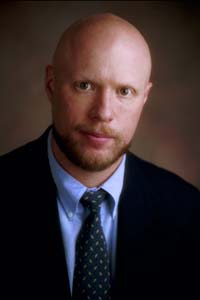 Keynote speaker, Eric A. Coleman, MD, MPH, spent the first day of the conference with us teaching the multidisciplinary group of attendees how to use his nationally known “Coleman Model” of patient centered care transitions. The model is known as one of the best evidence based care transitions guidelines. Coleman’s credentials include: Professor of Medicine and Head of the Division of Health Care Policy and Research at the University of Colorado. He is the Director of the Care Transitions Program, and also serves as the Executive Director of the Practice Change Leaders.
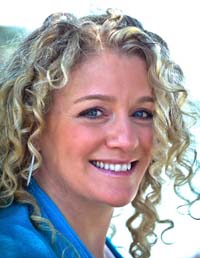
Nationally acclaimed speaker, Allison Massari, was our keynote speaker on day two of the conference. Through her talk, “Transforming Patient Lives: The Art of Person Centered Care,” she shared her inspiring story of being burned alive in a car accident, and how the tender care of her nurses and care givers meant so much through her treatment and recovery.
 Piri Ackerman Barger, from UC Davis spoke on Exploring Equity, Diversity and Inclusion in Nursing and Nursing Education. In this talk Piri discussed aspects of culture and how it relates to perceptions and impacts care.
One participant exclaimed, “The entire content of this conference rivaled those I have traveled many miles to attend. All of the speakers brought unique and valuable information that can be integrated into daily work, improve patient experience and outcomes.”
Another said, “The level of speakers for this conference is impressive. Thank you for bringing this to our community. I appreciated all topics and learned that North Idaho is on the right path to better continuity of care for our patients in our communities. ”
Conference participants learned strategies and were given practical tools to enable them to:
- Reduce avoidable hospital readmissions
- Focus on patient centered care
- Decrease medication errors
- Improve patient outcomes
- Increase self-efficacy of patients and family/caregivers
- Identify the relationship between compassion, kindness, and patient satisfaction
- Improve continuity of care by empowering patients and their families to be their own healthcare advocates
The conference was well attended by many different multi-disciplinary members of the Northwest communities including: Physicians, nurses, pharmacists, nurse practitioners, case managers, care navigators, discharge planners, social workers, therapists, and administrators representing hospitals, clinics, skilled nursing, rehabilitation, home health, palliative care, and hospice organizations.


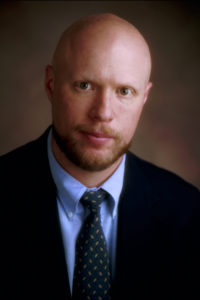
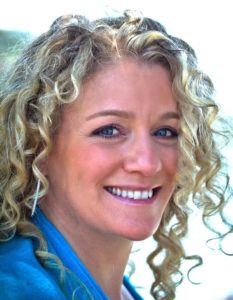
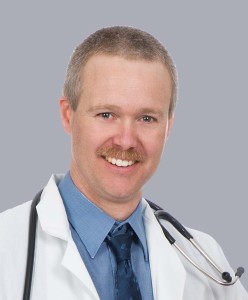 David Souvenir, M.D., Infection Prevention Medical Director at Kootenai Health. Dr. Souvenir provides infectious disease consultative services for the region and is the only board certified infectious disease specialist practicing in northern Idaho.
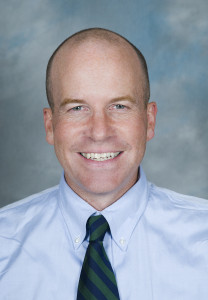 John Lynch, M.D., M.P.H., medical director of the Harborview Medical Center Infection Prevention, Antimicrobial Stewardship and employee health programs. Associate Professor of Medicine at the University of Washington and leads the medical school’s WWAMI-wide “Invaders (microbiology) and Defenders (immunology)” course. Dr. Lynch is active in the region and nationally, working with the Washington State Hospital Association, the Washington State Department of Health and the Infectious Diseases Society of America, in the areas of health care associated infection prevention and antimicrobial stewardship.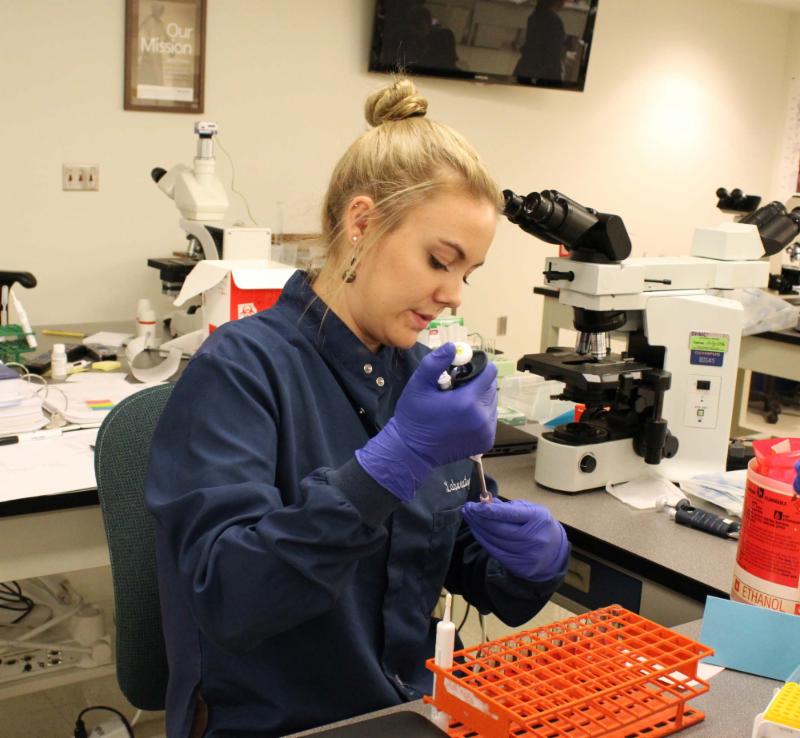
 The benefits to the Alliance member labs are the potential to recruit students to become employees, and for lab staff to become involved in teaching which helps them stay up-to-date with laboratory testing theory and best practices, and the subsequent sharing of ideas regarding lab operation. The students enjoy the opportunity to experience a smaller rural laboratory environment with the Critical Access Hospitals and share with their classmates the nuances of practicing in rural communities.